top of page
BA Thesis
During my undergraduate career, I was a student in the Utah State University (USU) Honors program. This program required its students to complete an undergraduate thesis to graduate with honors. In doing so, I conducted a material studies thesis in collaboration with the USU Museum of Anthropology (MOA) on a mummified object. This research spanned 3 years and resulted in many outreach presentations, journalistic articles, and an 80-page thesis.
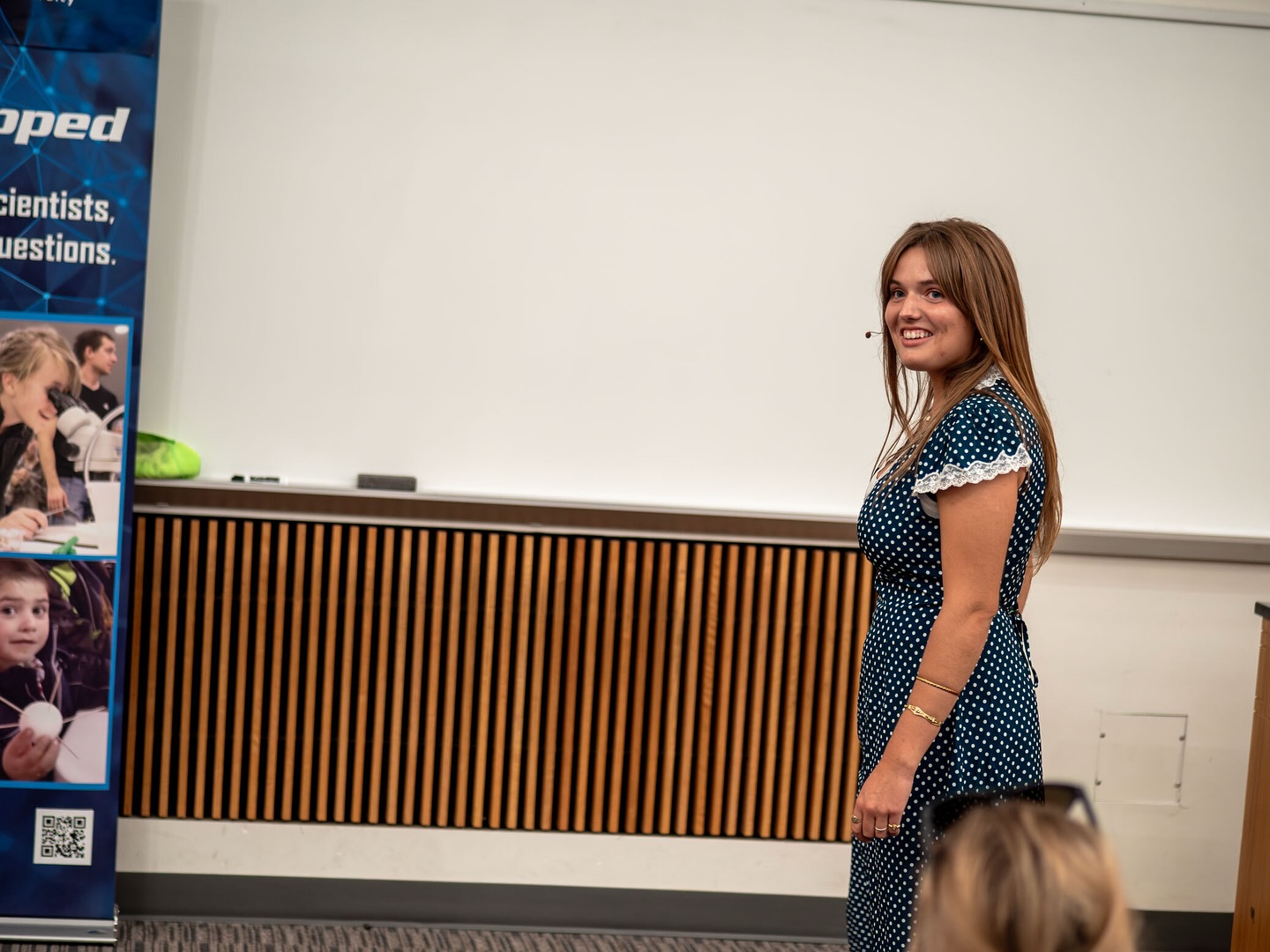
Due to the intriguing nature of the mummified object, the USU Statesman, Utah State TODAY, the College of Arts and Science, and more, have written articles describing the research and progress I made. I was also invited to lecture for the College of Arts and Sciences Science Unwrapped.
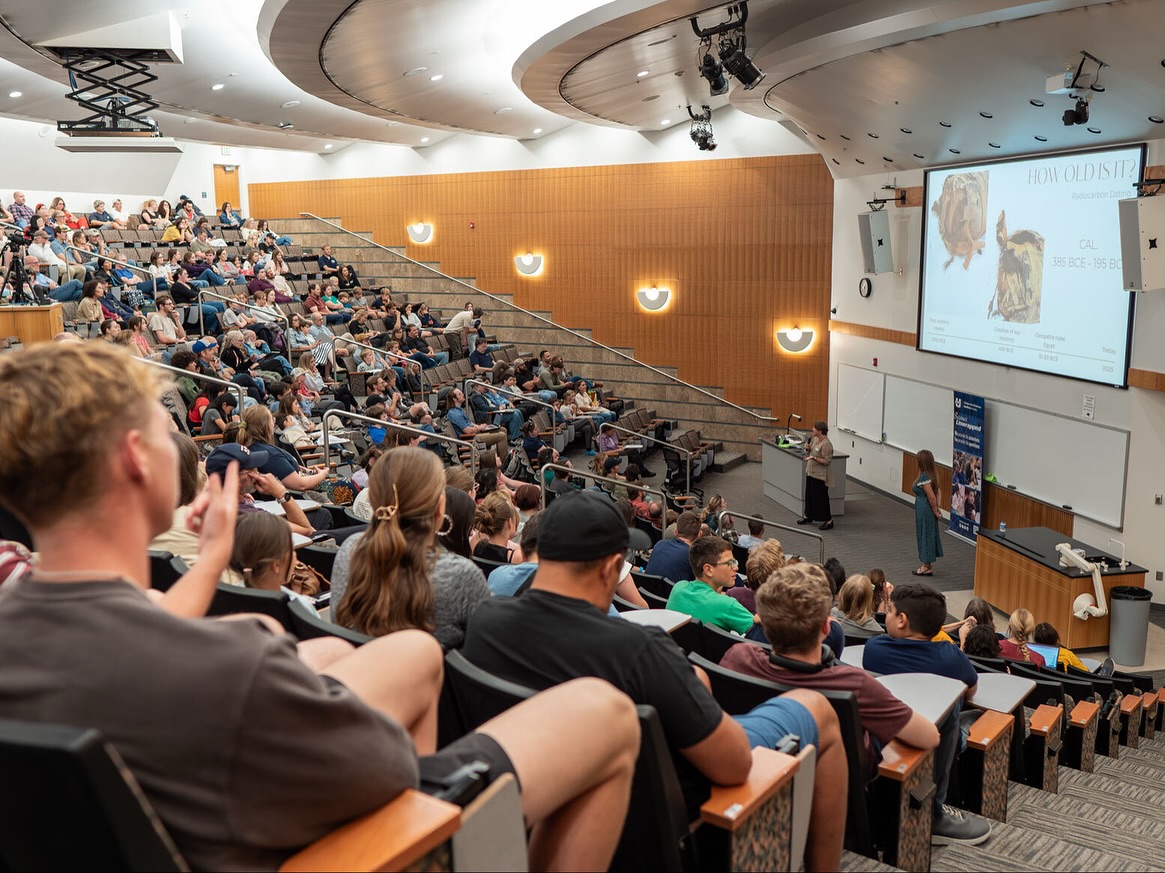
Science Unwrapped is a public STEM outreach program. The program hosts a monthly science lecture that is open to both students and the public. The goal is to highlight the science taking place at USU as well as educate the public on these topics. For my lecture, I was fortunate to have around 220 curious minds who showed up and were excited to hear about my work. Along with this, I have been asked numerous times to present on the different opportunities of research offered by USU MOA and the possibilities of capstone research for honors students. Furthermore, my paper was accepted into the Western Museum Association's 2025 Annual Conference. This conference took place in Reno, NV and offered a platform for me to share my research academically to colleagues within my field. This research was one of the highlights of my undergraduate career and lead to many networking and outreach opportunities.
Thesis Abstract
Legacy collections and objects with little context are often untapped opportunities for both museums and museum studies students. The purpose of this study is to display how students can utilize object research to engage in experiential learning and develop their skillset in scientific methodologies and disseminating findings, while also offering museums the opportunity to develop relationships with research facilities and benefit from student research findings. This study demonstrates the utility of student research by investigating an Egyptian canid mummy bundle, dating to the Late Period or early Ptolemaic Period, received by the Museum of Anthropology at Utah State University in 2018 with limited provenance or confirmation of its authenticity.
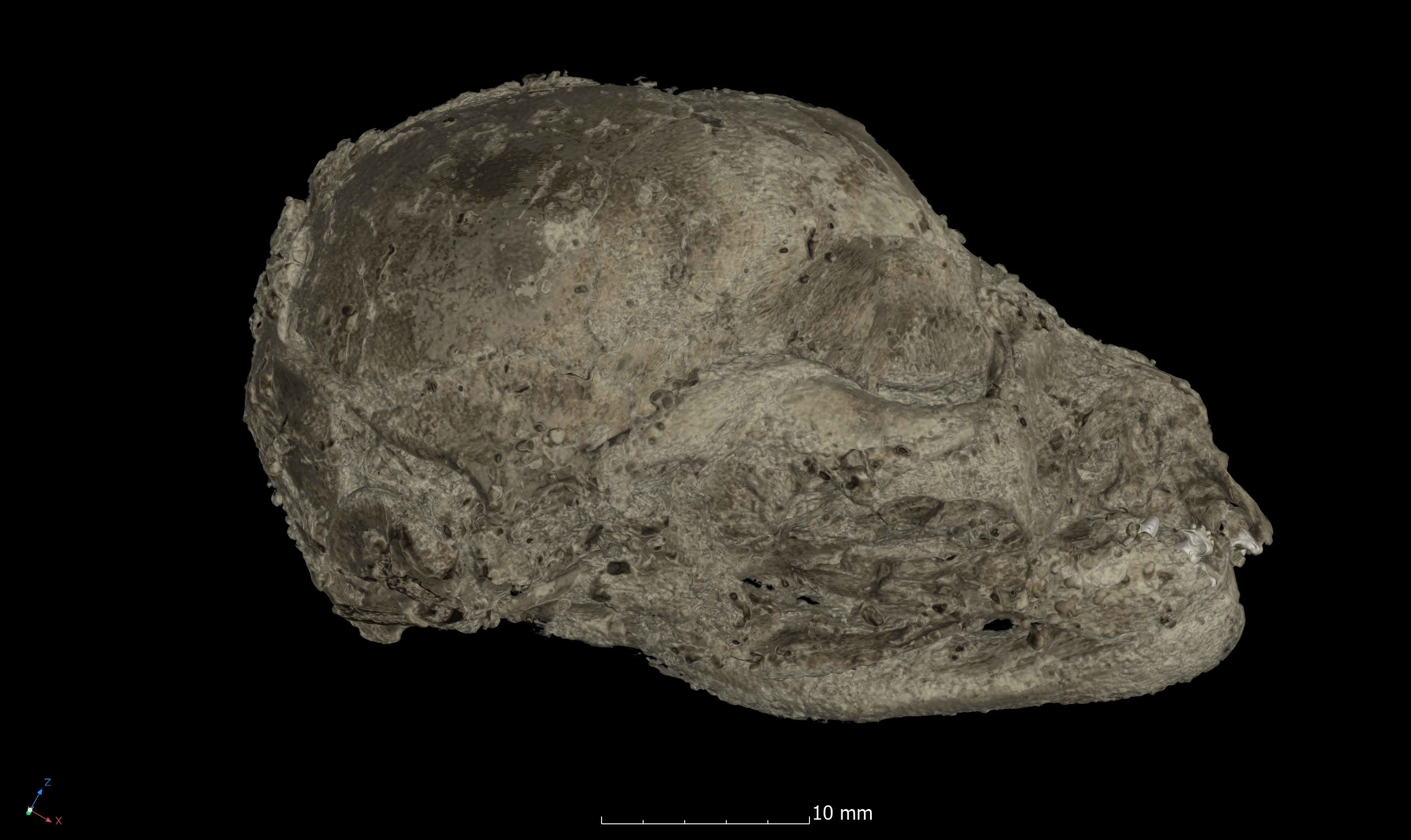
The goal of this case study is to better understand the materials, methods, and cultural significance of zooarchaeological mummification and to situate this artifact within a broader historical and religious framework. Objectives are fourfold: (1) to identify the contents of the mummy bundle, (2) to date the mummy bundle and establish chronological context, (3) to identify the textiles and construction methods used in the mummification process, and (4) to contextualize canid mummification within ancient Egyptian religious and societal practices.
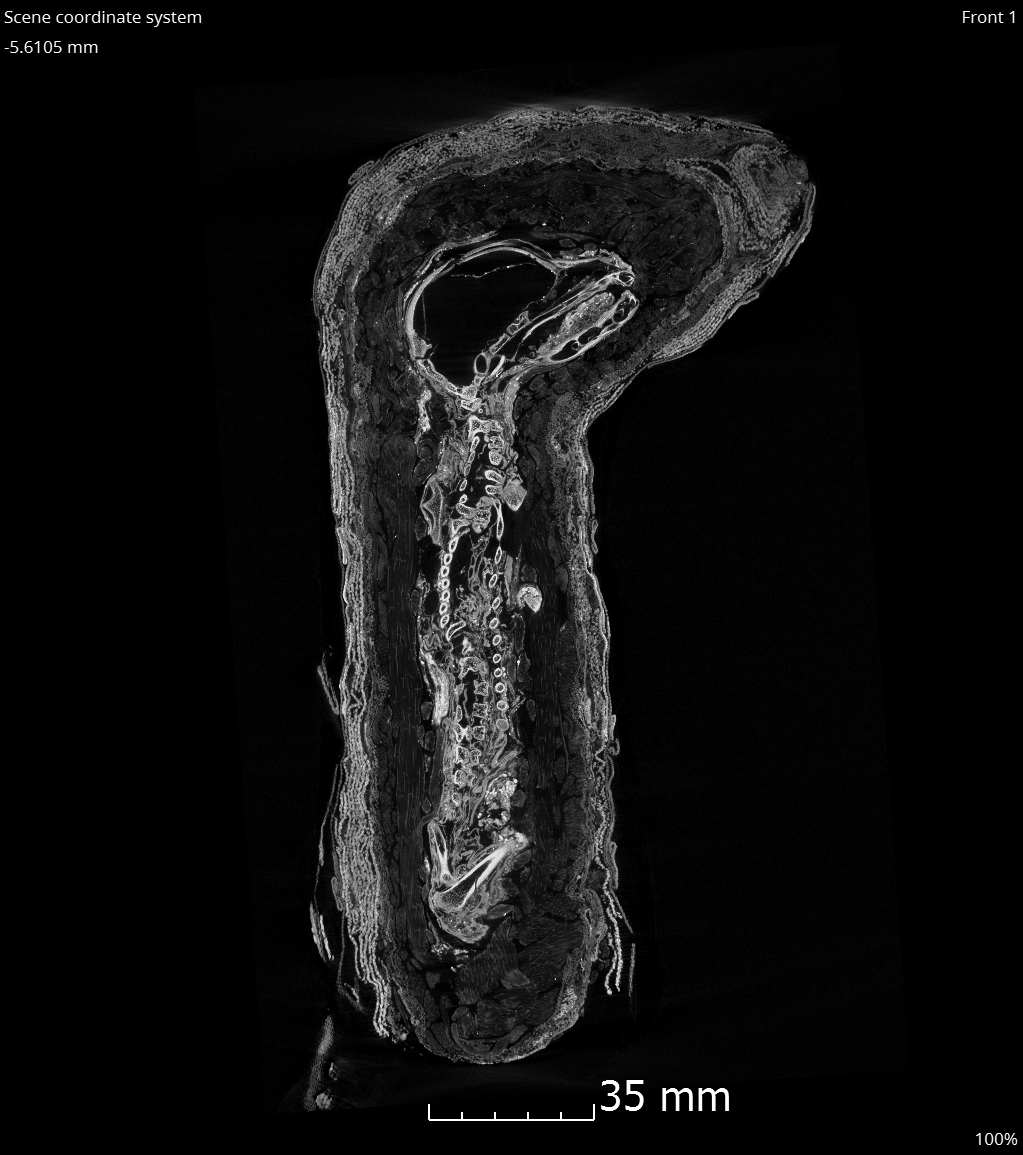
To achieve these goals, we must utilize a multi-method approach that includes micro-CT scanning to identify the bundle contents and state of preservation, and radiocarbon dating for three distinct layers of the textile from the bundle. We must also conduct scanning electron microscopy to analyze the microstructure of the textiles and mass spectrometry to identify organic compounds applied to the textile. The information we can gather from these analyses offers valuable insights into Egyptian funerary and mortuary traditions and the role of animals in religious contexts.
Location
Logan, Utah
Date
2023-2025
Role
Researcher
Project type
Undergraduate Thesis

01
BA Thesis

01

02
three_layer_textile.jpg

03
Skull_rightside

04
ScienceUnwrapped_MummyMystery_19Sept2025_NathanStewartUSU (4)
bottom of page