top of page
Shipwreck Survey Field School
I participated in a maritime archaeological field school hosted by The Shipwreck Survey.
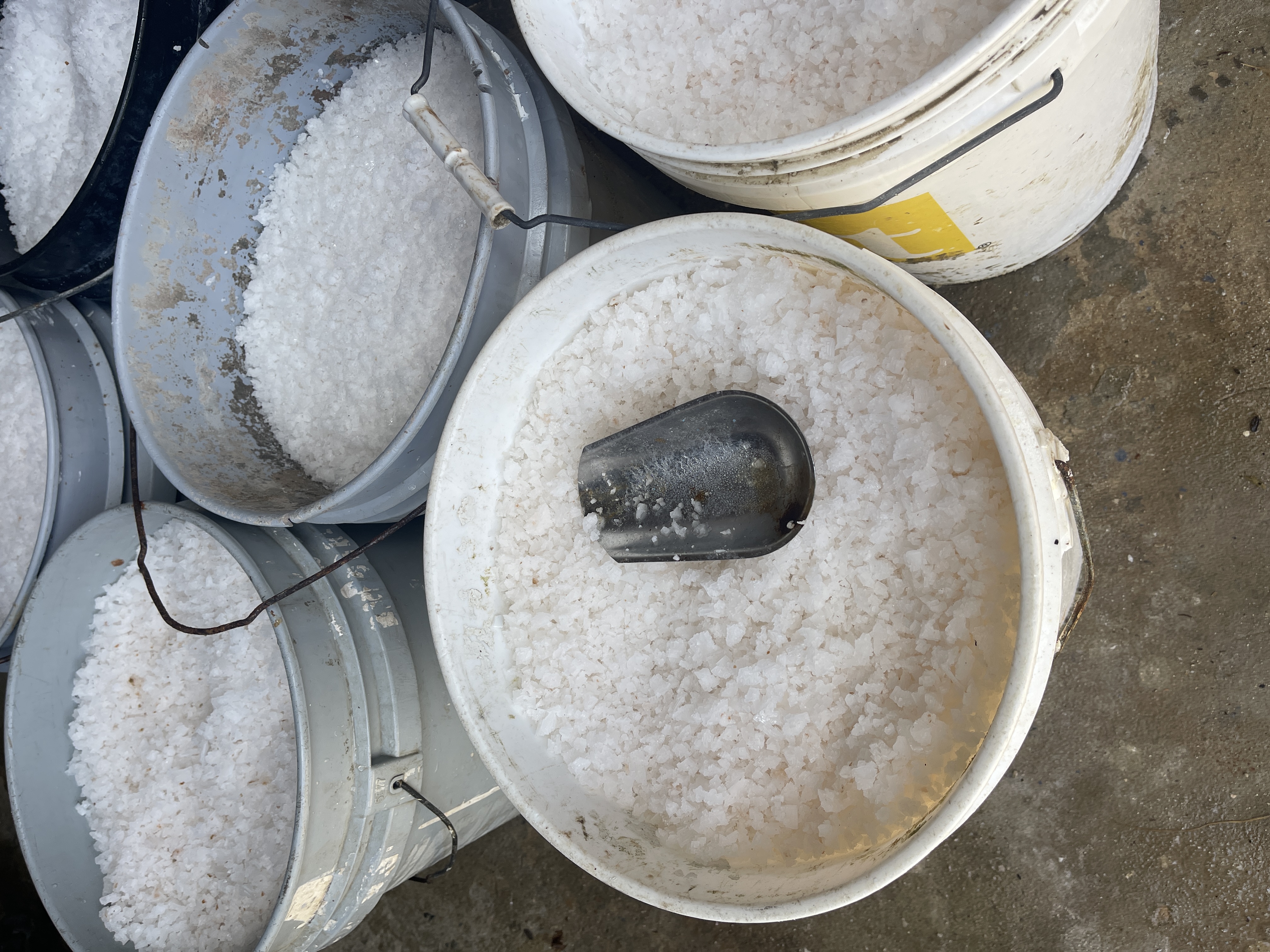
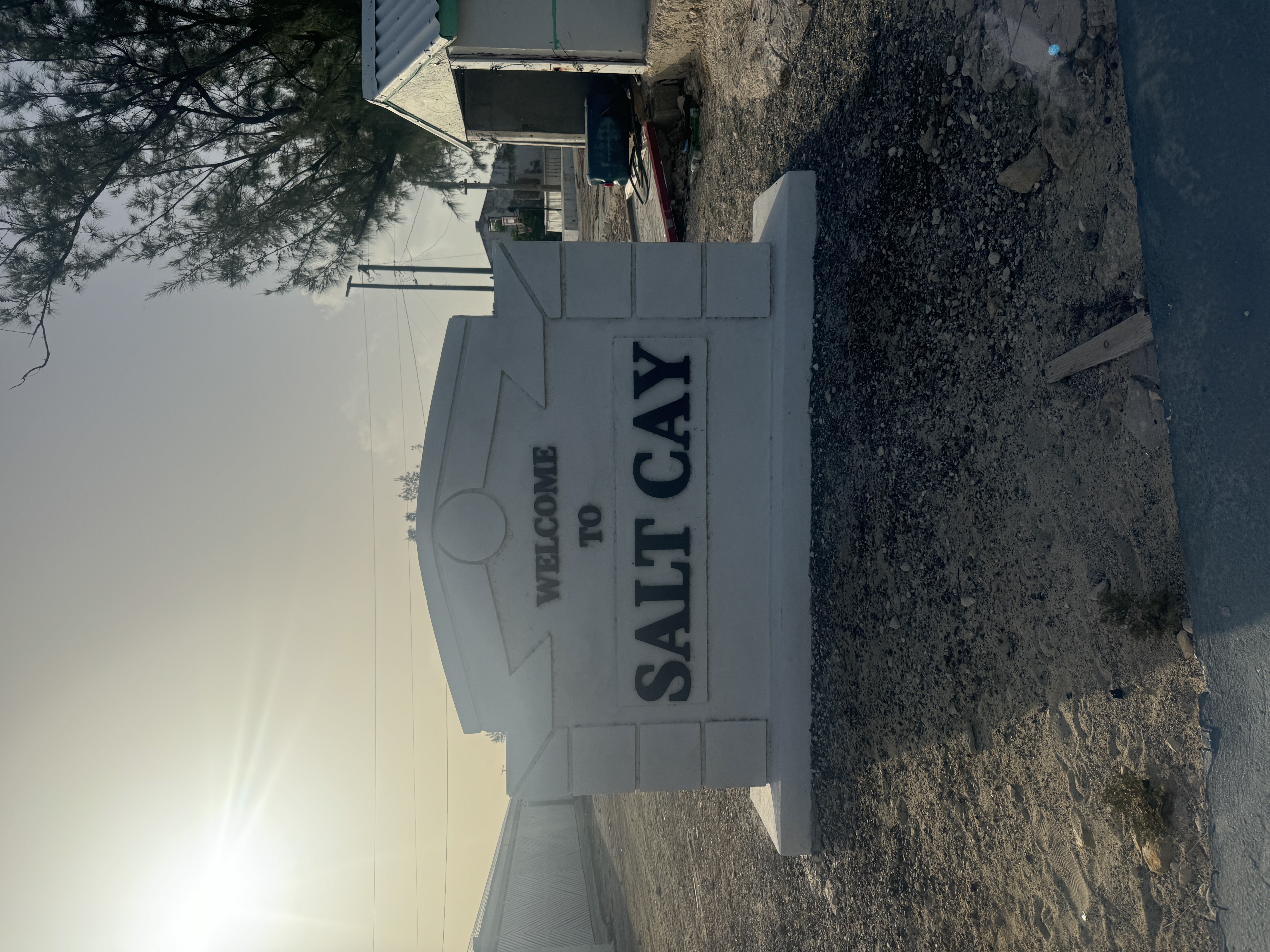
"With approximately 60 inhabitants on 2.6 square miles, Salt Cay is the least populated of the main inhabited islands in the Turks & Caicos Islands. In the colonial period, however, the island played an important role in Atlantic World trade networks. Bermudians sailed their ships over 800 miles every year to visit Salt Cay for its salt. Historically, salt was considered “white gold” because in the absence of refrigeration, it provided one of the few ways to preserve food." - The Shipwreck Survey
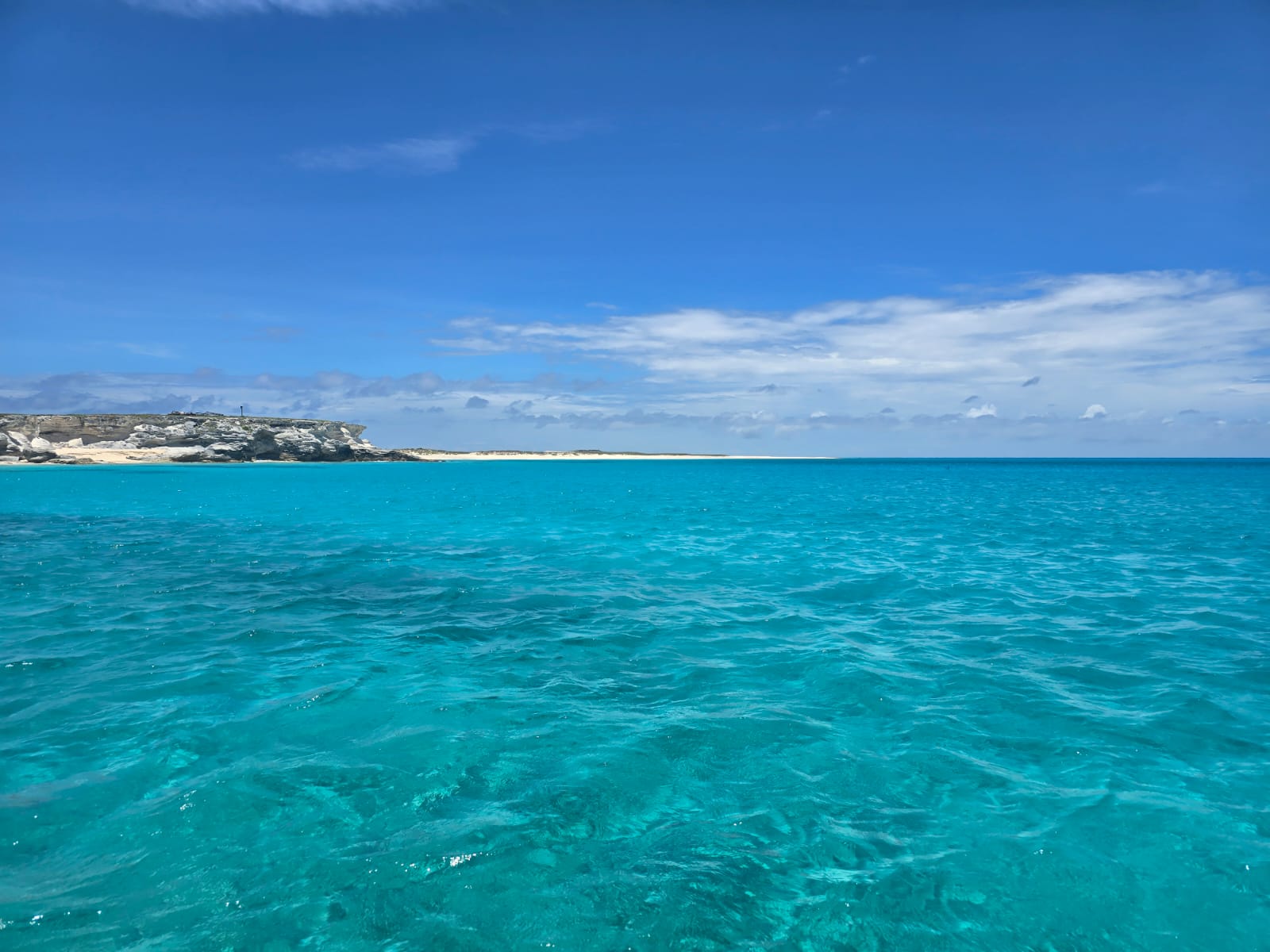
The field school was a 16-day program totaling approximately 100 hours of underwater and terrestrial fieldwork, lab work, training, workshops, and lectures. The island is remote and the second to last island in the Turks and Caicos chain.
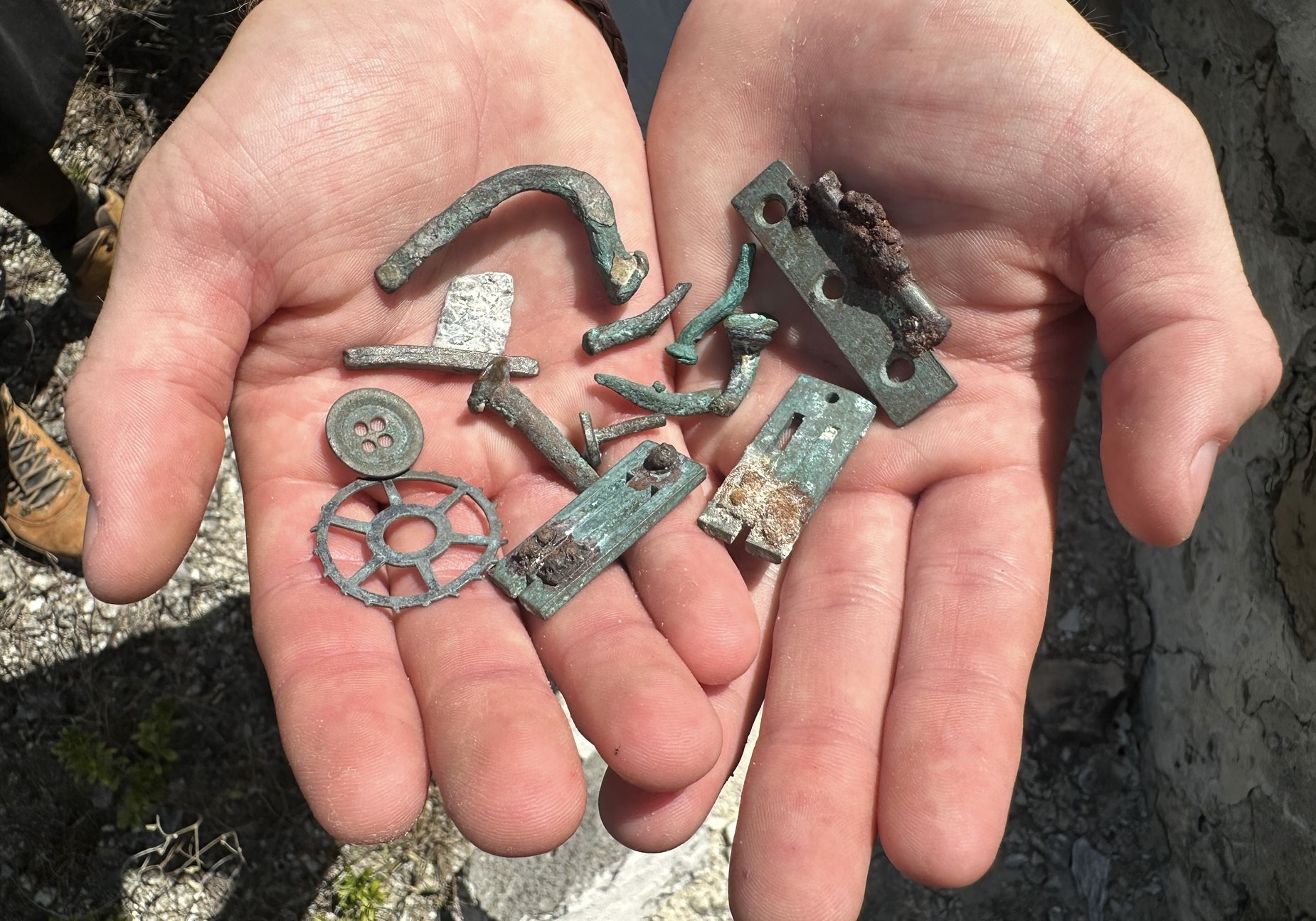
Underwater and terrestrial work consisted of surveying techniques, setting up baselines, drawing underwater and terrestrial sites, underwater photography, aerial recording, photogrammetry (3D recording), site reporting, and recording cannons and anchors. We were also given presentations by the program directors and staff. These presentations consisted of the history and archaeology of the Turks & Caicos Islands, archaeological field and lab work, underwater photography, photogrammetry, and underwater cultural heritage management.
During our time on the island we investigated several archaeological sites including Endymion Rock, a site where the HMS Endymion wrecked. The Endymion was a British royal naval vessel which sank on August 28th, 1790. One of the program directors, Alex Hinton, conducted her masters thesis on this wreck, and was our resident expert. The work and research we conducted during our time on the island was put together in a presentation and disseminated in a public presentation to the island locals.
Location
Salt Cay, Turks and Caicos
Date
2024
Role
Student
Project type
Field School
Link
Photo Credit
Shipwreck Survey

01
Shipwreck Survey Field School

01

02
IMG_3298

03
Cotton Cay Archaeology

04
Blue Water
bottom of page